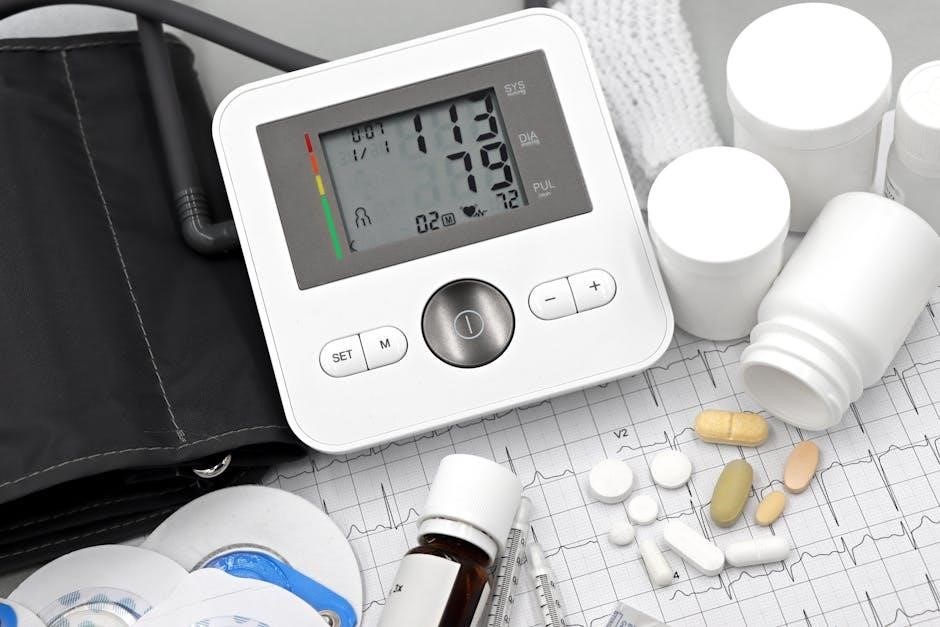
vital sign sheet pdf
What is a Vital Sign Sheet PDF?
Vital Sign Sheets, often in PDF format, are crucial healthcare documents. They systematically record a patient’s key physiological measurements – a snapshot of their health status.
These sheets, like those found on Patient-Advocate.com and Templateroller, facilitate consistent monitoring and informed clinical decision-making for better patient care.
Definition and Purpose
A Vital Sign Sheet PDF is a standardized document used by healthcare professionals to record a patient’s core physiological measurements. These sheets, readily available online as printable PDFs – like templates from Templateroller – serve as a concise, organized record of a patient’s physical condition.
The primary purpose is to establish a baseline, monitor changes over time, and detect potential health issues early. They capture essential data points such as temperature, pulse rate, respiration rate, blood pressure, weight, and pain levels.
These sheets, exemplified by those on Patient-Advocate.com, aren’t just data collection tools; they are vital for effective communication between healthcare team members and contribute to accurate diagnoses and treatment plans.
Importance in Healthcare Settings
Vital Sign Sheets, often utilized as PDFs, are fundamentally important across all healthcare settings. They provide a consistent and efficient method for tracking patient health, enabling quick identification of deteriorating conditions. Whether a basic chart or a comprehensive flow sheet – like those available on Patient-Advocate.com – these records are essential.
Accurate vital sign documentation, facilitated by readily downloadable PDF templates from sites like Templateroller, supports informed clinical decisions, guides treatment adjustments, and ensures continuity of care.
Furthermore, these sheets are crucial for legal and regulatory compliance, demonstrating a thorough assessment of patient status and contributing to a safer healthcare environment for everyone involved.

Key Components of a Vital Sign Sheet
Vital Sign Sheets typically include fields for temperature, pulse, respiration rate, blood pressure, pain level, and often weight. These elements provide a holistic patient overview.
PDF templates, like those from Templateroller, standardize data collection for effective healthcare monitoring.
Temperature Recording
Temperature is a fundamental vital sign, reflecting the body’s ability to generate and dissipate heat. Vital sign sheets, often available as PDFs, dedicate a specific field for recording this measurement.
Typically, temperature is documented in Fahrenheit or Celsius, and the method of measurement (oral, rectal, axillary, tympanic) must be clearly indicated. Accurate temperature recording is vital for identifying fever, infection, or hypothermia.
Consistent documentation, as facilitated by standardized PDF templates from resources like Patient-Advocate.com, ensures reliable data. Nurses and healthcare professionals rely on this information to assess a patient’s condition and guide treatment decisions. Proper recording includes the time the temperature was taken, alongside the value itself.
Pulse Rate Measurement
Pulse rate, representing the number of heartbeats per minute, is a critical component of vital sign monitoring. Vital sign sheet PDFs include a designated space for documenting this measurement, often alongside the method used for assessment – radial, apical, or brachial.

Accurate pulse rate recording helps assess cardiovascular function and identify potential abnormalities like tachycardia or bradycardia. Healthcare professionals utilize standardized templates, such as those available on Templateroller, to ensure consistent data collection.
The rhythm of the pulse should also be noted (regular or irregular). Proper documentation, including the time of measurement, is essential for tracking changes in a patient’s condition and informing clinical decisions.

Respiration Rate Assessment
Respiration rate, the number of breaths a patient takes per minute, is a key indicator of respiratory function and overall health. Vital sign sheet PDFs dedicate a specific field for recording this vital sign, often alongside observations about the quality of breathing – shallow, labored, or normal.

Accurate assessment involves counting breaths for a full minute, noting any irregularities or difficulties. Templates, like those found on Patient-Advocate.com, streamline this process. Monitoring respiration rate helps identify potential respiratory distress or underlying medical conditions.
Documenting the method of assessment (observation, auscultation) is also important. Consistent and detailed respiration rate documentation contributes to a comprehensive patient health profile.
Blood Pressure Documentation
Blood pressure, measured in millimeters of mercury (mmHg), is a critical vital sign reflecting the force of blood against artery walls. Vital sign sheet PDFs invariably include dedicated spaces for recording both systolic and diastolic pressures, essential for assessing cardiovascular health.
Templates, readily available as printable PDFs from sources like Templateroller, often include columns for recording the position of the patient (sitting, standing, lying) during measurement, as this impacts readings. Accurate documentation requires standardized procedures and calibrated equipment.
Noting the arm used for measurement is also best practice. Consistent blood pressure monitoring aids in diagnosing and managing hypertension or hypotension.
Pain Level Evaluation
Pain assessment is a subjective, yet vital, component of a comprehensive vital sign sheet. PDFs dedicated to patient monitoring, such as those found on Patient-Advocate.com, incorporate scales for patients to quantify their pain experience.
Commonly used scales include numerical rating scales (0-10, with 0 being no pain and 10 being the worst imaginable pain) or visual analog scales. The sheet should also allow space for describing the pain’s characteristics – location, intensity, type (sharp, dull, aching).
Documenting pain levels helps healthcare professionals tailor appropriate interventions and monitor treatment effectiveness. Consistent pain evaluation improves patient comfort and overall care quality.
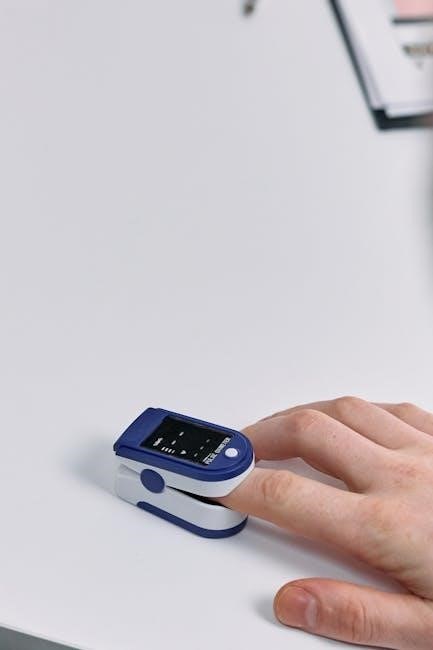
Types of Vital Sign Sheets
Vital sign sheets vary in complexity. Basic charts record core vitals, while comprehensive flow sheets, like those from Templateroller, offer detailed tracking.
Specialty sheets cater to specific needs – pediatric or geriatric – ensuring focused, relevant data collection.
Basic Vital Sign Chart
Basic vital sign charts represent the foundational level of patient monitoring documentation. These charts, frequently available as printable PDFs, typically include dedicated fields for recording the four core vital signs: temperature, pulse rate, respiration rate, and blood pressure.
Often, a simple weight recording space is also included. These charts prioritize essential data, offering a concise overview of a patient’s immediate physiological state. They are ideal for routine check-ups or situations where a comprehensive assessment isn’t immediately required.
Resources like Patient-Advocate.com provide examples of these streamlined charts. They generally lack extensive space for detailed notes, focusing instead on quantifiable measurements. This simplicity makes them quick and easy to use in busy clinical settings, ensuring efficient data capture.
Comprehensive Vital Sign Flow Sheet
Comprehensive vital sign flow sheets, often found as downloadable PDFs, extend beyond basic measurements to provide a more detailed longitudinal record of a patient’s health. These sheets include all the elements of a basic chart – temperature, pulse, respiration, blood pressure, and weight – but add crucial components.
Notably, they incorporate dedicated sections for pain assessment (often using a numerical scale), pulse oximetry (SpO2), and ample space for nurses’ notes and observations. Templateroller offers examples of these expanded charts.
This format allows for tracking trends over time, facilitating better identification of subtle changes in a patient’s condition; The detailed notes section is vital for contextualizing the vital sign data, providing a holistic view for healthcare professionals.
Specialty-Specific Sheets (e.g., Pediatric, Geriatric)
Specialty-specific vital sign sheets, available as PDFs, recognize that standard charts aren’t always optimal for all patient populations. Pediatric charts, for example, utilize age-appropriate reference ranges for vital signs, acknowledging the significant physiological differences between children and adults.
Geriatric sheets often include additional fields to assess factors common in older adults, such as orthostatic blood pressure (measuring changes upon standing) and fall risk.
These tailored forms, while sharing core elements with general charts, enhance accuracy and relevance. Finding these specialized templates online, through resources like Patient-Advocate.com, ensures clinicians capture the most pertinent data for effective, targeted care.

Creating and Using Vital Sign Sheets
Vital sign sheets can be recorded manually or electronically, impacting workflow. Proper completion, with accurate data, is vital for patient monitoring and informed healthcare decisions.
Manual vs. Electronic Vital Sign Recording
Manual vital sign recording, traditionally using paper-based sheets like those available as printable PDFs from sites like Templateroller and Patient-Advocate.com, offers simplicity and doesn’t require immediate technological infrastructure. However, it’s prone to errors during transcription, can be time-consuming, and presents challenges with data analysis and sharing.
Electronic vital sign recording, integrated into Electronic Health Records (EHRs), automates data capture, reduces transcription errors, and facilitates real-time data access for healthcare teams. This method allows for trend analysis, automated alerts for abnormal values, and improved data security. While requiring initial investment and training, electronic systems ultimately enhance efficiency and patient safety. The choice depends on facility resources and workflow preferences.
Both methods rely on accurate measurement techniques and diligent documentation.
How to Properly Fill Out a Vital Sign Sheet
Accurate completion of a vital sign sheet, whether a printable PDF from sources like Templateroller or an electronic form, is paramount. Begin by clearly documenting patient identifiers – name, date of birth, and medical record number. Record each vital sign (temperature, pulse, respiration, blood pressure, pain level) using the correct units and measurement techniques.
Ensure legibility; if handwritten, print clearly. Note the time each vital sign was taken. Any abnormalities or relevant observations should be concisely documented in the ‘Notes’ section. Initial and date each entry to maintain accountability. Consistent and thorough documentation, as exemplified by the flow sheets on Patient-Advocate.com, supports effective patient care and communication.
Always follow facility protocols.
Best Practices for Accurate Data Collection
Maintaining accuracy when using a vital sign sheet PDF – or any recording method – requires adherence to established protocols. Standardize procedures for each vital sign; for example, use consistent placement for temperature probes and blood pressure cuffs. Verify equipment calibration regularly to ensure reliable readings.
Minimize factors that can influence vital signs, such as patient activity or recent caffeine intake. Double-check all entries for errors before finalizing the sheet; If discrepancies arise, investigate and document the reason. Utilize flow sheets, like those available on Patient-Advocate.com, to track trends and identify potential issues promptly. Proper training and ongoing competency assessments are essential for all personnel involved in vital sign collection.
Prioritize patient safety.
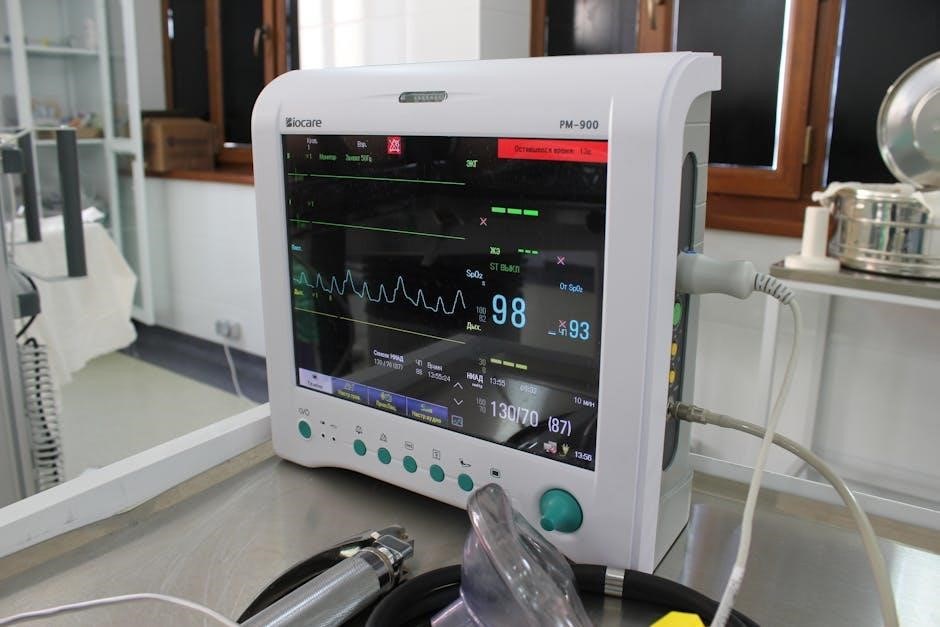
Where to Find Printable Vital Sign Sheet PDFs
Numerous online resources offer printable vital sign sheet PDFs. Websites like Templateroller and Patient-Advocate.com provide free templates for immediate download and use.
Customizable options are also available through PDF editors.
Online Templates and Resources (Templateroller, Patient-Advocate.com)
Templateroller stands out as a readily accessible source for free Vital Signs Flow Sheet Templates. Users can easily download these templates in PDF or Word format, offering flexibility in how they are utilized. The site provides a straightforward approach to tracking essential patient data.
Patient-Advocate.com also offers valuable printable vital signs sheets. Their templates include dedicated fields for recording weight, temperature, blood pressure, pulse, respiration rate, and pain assessment. Ample space is provided for detailed notes, ensuring comprehensive documentation.
Both platforms cater to the need for efficient and organized vital sign recording, simplifying the process for healthcare professionals and facilitating better patient monitoring. These resources are invaluable for quick access to standardized forms.
Customizable PDF Editors
Customizable PDF editors offer a powerful alternative to pre-made templates for Vital Sign Sheets. Programs like Adobe Acrobat Pro, PDFescape, and Smallpdf allow users to modify existing PDF forms or create entirely new ones from scratch.
This flexibility is particularly useful for tailoring sheets to specific departmental needs or incorporating unique institutional branding. Users can add or remove fields, adjust layouts, and implement required data validation rules.
These editors often include features like fillable form fields, digital signatures, and annotation tools, enhancing the functionality and security of the vital sign documentation process. While often requiring a subscription or one-time purchase, they provide unparalleled control and customization.
Free vs. Paid Options
Vital Sign Sheet PDFs are available through both free and paid avenues, each with distinct advantages. Free options, like templates from Templateroller and Patient-Advocate.com, provide immediate access to basic, functional charts, suitable for smaller practices or individual use.
However, these often lack customization options and may include watermarks. Paid options, encompassing PDF editor subscriptions or specialized healthcare software, unlock greater flexibility.
These premium solutions allow for extensive customization, integration with Electronic Health Records (EHRs), and enhanced data security features. The choice depends on budget, required features, and the scale of healthcare operations. Consider long-term needs when evaluating the cost-benefit ratio.

Legal and Ethical Considerations
Vital Sign Sheet PDFs demand strict adherence to patient confidentiality and data security protocols. Proper documentation is legally required for accurate record-keeping and liability protection.
Patient Confidentiality and Data Security
Vital Sign Sheet PDFs contain highly sensitive patient information, necessitating robust confidentiality and data security measures. Healthcare providers are legally and ethically obligated to protect this data from unauthorized access, use, or disclosure.
Maintaining patient privacy is paramount, aligning with regulations like HIPAA. Secure storage of PDF files, both electronic and physical, is essential. Access controls should limit viewing to authorized personnel only.
When utilizing electronic systems, encryption and strong passwords are vital. Regularly backing up data prevents loss and ensures continuity of care. Proper disposal of outdated sheets, whether shredded or securely deleted, is also crucial to prevent breaches of confidentiality.
Failure to comply with these standards can result in severe penalties and erode patient trust.
Proper Documentation and Record Keeping
Vital Sign Sheet PDFs are legal documents, demanding meticulous and accurate record-keeping practices. Each entry must be legible, dated, timed, and initialed by the healthcare professional responsible for the measurement.
Any alterations to the recorded data require a clear explanation, with the original entry remaining visible and unamended. Consistent use of standardized terminology and units of measurement is crucial for clarity and comparability.
Complete and organized documentation facilitates effective communication among healthcare team members and supports continuity of patient care.

Maintaining a chronological order of vital sign sheets within the patient’s medical record ensures a comprehensive overview of their health status over time. Proper record-keeping is essential for legal defensibility and quality improvement initiatives.
Leave a Reply
You must be logged in to post a comment.