
craftsman lawn mower model 917 manual
Craftsman Lawn Mower Model 917 Manual: A Comprehensive Guide
This guide provides detailed information for Craftsman 917 series mowers‚ covering safety‚ operation‚ maintenance‚ troubleshooting‚ parts‚ and warranty details.
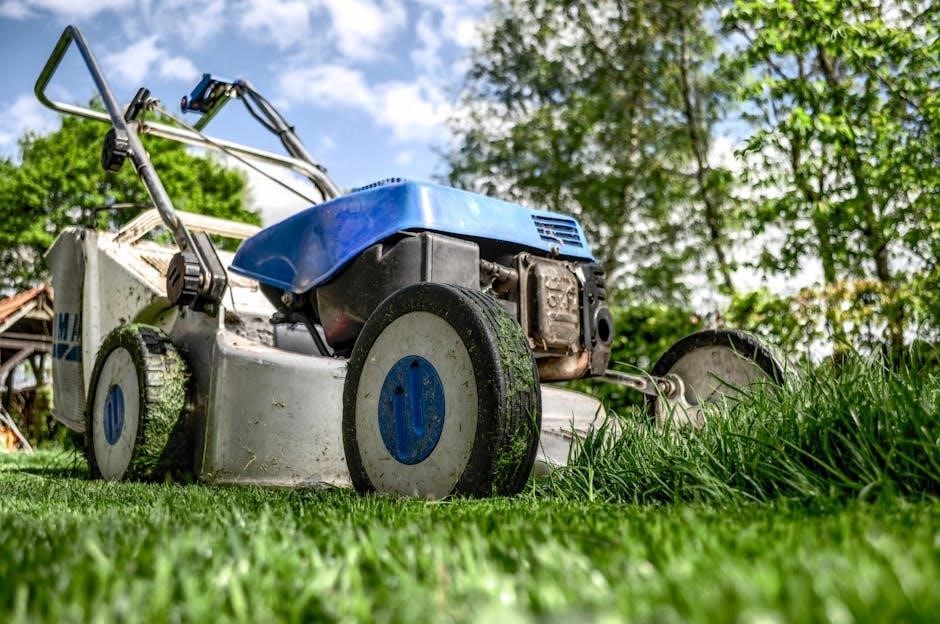
The Craftsman 917 series represents a popular line of rotary lawn mowers‚ frequently powered by Briggs & Stratton engines. These mowers‚ including variations like the 917.385141 and 917.276020‚ were designed for residential lawn care‚ offering features like side discharge and varying deck sizes.
Understanding the 917 series requires access to the correct owner’s manual‚ as specific instructions differ between models. These manuals detail crucial safety procedures‚ operating guidelines‚ and maintenance schedules. Sears originally manufactured and supported these mowers‚ providing comprehensive documentation.
This series is known for its relatively straightforward design‚ making it accessible for DIY maintenance. However‚ proper care and adherence to the manual’s recommendations are vital for optimal performance and longevity. Finding the correct manual is the first step to successful ownership.
Understanding Model Numbers & Variations (917.xxxxxx)
Craftsman 917 model numbers‚ such as 917.374431‚ 917.249030‚ and 917.271633‚ are crucial for identifying specific mower variations. The digits following “917.” denote unique features‚ engine specifications‚ and deck configurations. These variations impact parts compatibility and maintenance procedures.
Decoding the number allows you to locate the correct owner’s manual and replacement parts. Different sub-models may have distinct safety instructions or require specific oil types. For example‚ some 917 models feature low-emission engines requiring adjusted operation.
Accurate identification is paramount when ordering parts or seeking technical support. Always refer to the complete model number found on the mower’s frame or engine to ensure compatibility and avoid errors. Ignoring these details can lead to improper repairs or unsafe operation.
Locating Your Specific 917 Manual Online
Finding your Craftsman 917 manual online is readily achievable through several resources. Sears PartsDirect (c.searspartsdirect.com) hosts numerous PDF versions‚ searchable by model number. ManualsLib and other online archives also offer downloadable copies.
A direct search using your complete 917.xxxxxx model number on Google or your preferred search engine will yield relevant results. Websites like Archive.org preserve older manuals‚ potentially useful for vintage models.
Ensure the manual corresponds precisely to your model number for accurate information. Downloaded PDFs are often readily available and offer convenient access to operating instructions‚ maintenance schedules‚ and parts diagrams. Always prioritize official sources for reliable guidance.

Safety First: Operating Instructions
Prioritize safety by carefully reading all safety rules and instructions before operating your Craftsman 917 lawn mower‚ ensuring safe usage.
Pre-Operation Safety Checks
Before each use‚ thoroughly inspect the lawn mower. Ensure all guards and shields are securely in place and functioning correctly. Check the oil level and add if necessary‚ referencing the owner’s manual for the correct type. Examine the air filter‚ cleaning or replacing it if dirty. Inspect the blade for sharpness and damage‚ never operating with a dull or cracked blade.
Verify that the fuel tank contains adequate fuel‚ and check for any leaks. Clear the mowing area of any objects or debris that could be thrown by the blade‚ such as stones‚ toys‚ or wires. Always wear appropriate safety gear‚ including eye protection and sturdy footwear. Confirm the parking brake is engaged before starting any inspection or maintenance.
Safe Starting Procedures
To start the Craftsman 917‚ ensure the blade is disengaged and the parking brake is firmly applied. Prime the engine by pressing the primer bulb several times‚ as indicated in the manual. Position your feet securely and sit firmly on the operator’s seat. Engage the blade control lever and simultaneously pull the starter rope with a smooth‚ firm motion.
Never start the mower if you smell fuel‚ and if it doesn’t start after a few attempts‚ consult the troubleshooting section. Avoid any modifications to the starting system. Keep hands and feet clear of moving parts during starting. Always be aware of your surroundings and ensure no one is nearby before starting the engine.
Safe Operating Practices
When operating your Craftsman 917‚ always wear appropriate safety glasses and sturdy footwear. Never allow children or untrained individuals to operate the mower. Inspect the lawn for obstacles like rocks and debris before mowing‚ removing them to prevent damage or injury. Maintain a safe speed‚ especially on slopes‚ and avoid sharp turns.
Never operate the mower in wet conditions or near electrical sources. Keep hands and feet away from the cutting blade at all times. If the mower begins to vibrate abnormally‚ immediately stop the engine and investigate the cause. Be mindful of bystanders and ensure a safe operating distance.
Emergency Stop Procedures
In any emergency situation‚ the primary method to stop your Craftsman 917 mower is to immediately release the handle’s bail control. This will disengage the blade and halt forward motion. Additionally‚ locate and understand the function of the engine’s emergency stop switch – typically a red button – for rapid shutdown.
If the engine doesn’t stop promptly‚ disconnect the spark plug wire to prevent accidental restarts during inspection. Ensure the blade comes to a complete standstill before approaching the mower for any adjustments or repairs. Familiarize yourself with these procedures before operating the mower to react swiftly and safely in unforeseen circumstances.

Maintenance & Upkeep
Regular maintenance ensures optimal performance and longevity of your Craftsman 917 mower; this includes oil changes‚ filter cleaning‚ and blade care.
Routine Maintenance Schedule
To maximize the lifespan and performance of your Craftsman 917 lawn mower‚ adhere to a consistent maintenance schedule. After each use‚ inspect the blade for damage and clean the mower deck‚ removing grass clippings and debris. Every 25 hours of operation‚ or at least once per season‚ check and clean or replace the air filter.
Additionally‚ inspect the spark plug and clean or replace it as needed. An oil change is crucial every 50 hours or annually‚ whichever comes first‚ using the recommended oil type. Sharpen or balance the blade annually‚ or more frequently if you encounter uneven cutting. Regularly check all bolts and fasteners to ensure they are tight. Following this schedule will help prevent costly repairs and ensure reliable operation.
Oil Change Procedures
Before beginning‚ ensure the engine is warm‚ but not hot‚ and disconnect the spark plug wire for safety. Position a drain pan under the oil drain plug. Remove the plug and allow all oil to drain completely. Reinstall the drain plug‚ tightening it securely.

Next‚ locate the oil fill cap and remove it. Slowly pour in the recommended amount of new oil‚ typically around 18-20 ounces‚ checking the oil level with the dipstick. Do not overfill. Replace the oil fill cap and reconnect the spark plug wire. Properly dispose of the used oil at a designated recycling center. Regular oil changes are vital for engine longevity.
Air Filter Cleaning & Replacement
Regularly inspect the air filter for dirt and debris. A clogged filter restricts airflow‚ reducing engine performance. For foam filters‚ wash gently with warm‚ soapy water‚ rinse thoroughly‚ and allow to dry completely before re-oiling lightly with air filter oil.
Paper filters cannot be washed; instead‚ tap them gently to remove loose dirt. If heavily soiled‚ replace the filter. Locate the air filter housing‚ usually near the carburetor‚ and remove the cover. Install the clean or new filter‚ ensuring a proper seal. Reattach the air filter cover securely. A clean air filter ensures optimal engine efficiency and prolongs its life.
Spark Plug Inspection & Replacement
Periodically inspect the spark plug for fouling‚ wear‚ or damage. A faulty spark plug can cause starting difficulties or poor engine performance. Disconnect the spark plug wire before inspection. Check the electrode for carbon buildup or corrosion; clean with a wire brush if necessary.
To replace the spark plug‚ use the correct replacement specified in your manual. Gap the new spark plug to the manufacturer’s specifications using a spark plug gapping tool. Carefully thread the new spark plug into the cylinder head and tighten to the recommended torque. Reconnect the spark plug wire securely. A properly functioning spark plug is crucial for reliable engine ignition.
Blade Sharpening & Balancing
Sharp mower blades are essential for a clean cut and healthy lawn. Regularly inspect the blade for dullness or damage. Disconnect the spark plug wire before removing the blade. Secure the blade and use a file or grinding wheel to sharpen the cutting edges‚ maintaining the original angle.
After sharpening‚ it’s crucial to balance the blade to prevent vibration and potential damage to the mower. Use a blade balancer to check for imbalances; grind metal from the heavier side until balanced. Reinstall the blade securely‚ ensuring the correct orientation. A balanced and sharp blade improves cutting performance and extends mower life.

Troubleshooting Common Issues
This section details solutions for common problems like starting failures‚ rough running‚ uneven cuts‚ and unusual noises experienced with Craftsman 917 mowers.
Engine Won’t Start
If your Craftsman 917 engine fails to start‚ begin with basic checks. Ensure fresh fuel is in the tank and the fuel shut-off valve (if equipped) is open. Verify the spark plug wire is securely connected and the spark plug itself isn’t fouled – cleaning or replacing it may be necessary.
Check the air filter for obstructions; a clogged filter restricts airflow. Confirm the safety bail is fully engaged during starting attempts. Low oil levels can trigger a safety shut-off‚ so verify the oil level is correct. If the engine still won’t start‚ examine the starter rope for damage or binding. A faulty starter or a problem with the recoil assembly might require professional repair.
Engine Runs Rough
A rough-running engine on your Craftsman 917 often indicates fuel or air delivery issues. Start by inspecting the air filter; a dirty filter restricts airflow‚ causing a rich fuel mixture. Next‚ check the spark plug – a fouled or worn plug can lead to incomplete combustion. Ensure the fuel line isn’t kinked or clogged‚ and the fuel cap vent is clear to allow proper fuel flow.
Old or contaminated fuel can also cause rough running; drain the tank and refill with fresh gasoline. Consider using a fuel stabilizer. If the problem persists‚ the carburetor might require cleaning or adjustment. A professional tune-up could resolve more complex issues affecting engine performance.
Cutting Issues (Uneven Cut‚ Scalping)
An uneven cut or scalping with your Craftsman 917 typically stems from an improperly adjusted deck height or dull blades. Begin by verifying the deck is level and set to the desired cutting height. Ensure all four wheels are adjusted to the same setting. Dull blades tear grass instead of cutting cleanly‚ resulting in an uneven appearance.
Sharpen or replace the blades‚ ensuring they are balanced to prevent vibration. Check for debris buildup under the deck‚ which can interfere with airflow and cutting performance. Scalping often occurs when cutting too low on uneven terrain; raise the deck height accordingly.
Unusual Noises During Operation
Strange noises during operation of your Craftsman 917 can indicate several issues. A rattling sound might suggest a loose component – check bolts and fasteners throughout the mower. A high-pitched squeal could point to a worn belt‚ requiring replacement. Clicking noises often originate from the blade adapter or a damaged blade.
If the engine is knocking‚ immediately stop the mower and investigate; this could signify serious internal engine damage. A grinding sound may indicate a bearing issue within the mower deck or engine. Regularly inspect and tighten all parts‚ and consult a qualified technician for complex noises.
Parts & Components
This section details key components of the Craftsman 917‚ including the Briggs & Stratton engine‚ deck assembly‚ blades‚ and drive system for repair purposes.
Identifying Key Components
Understanding the layout of your Craftsman 917 mower is crucial for maintenance and repair. Key components include the engine‚ typically a Briggs & Stratton model‚ responsible for power. The mower deck‚ available in various sizes‚ houses the blade and directs airflow for efficient cutting.
The blade itself is a critical component‚ requiring regular sharpening and balancing. The drive system‚ whether rear-wheel or all-wheel‚ transmits power to the wheels. Other important parts are the control levers‚ safety features like the blade brake‚ and the grass catcher or discharge chute.
Familiarize yourself with the location of the oil fill‚ air filter‚ and spark plug for routine maintenance. Refer to diagrams in your specific manual for precise component locations‚ as variations exist within the 917 series.
Understanding the Briggs & Stratton Engine (Common to 917 Models)
The Briggs & Stratton engine is a frequent power source for Craftsman 917 mowers. These engines are known for their reliability‚ but require proper maintenance. Key features include the carburetor‚ responsible for fuel mixing; the air filter‚ protecting against debris; and the spark plug‚ initiating combustion.
Understanding the oil system is vital – regular oil changes are essential. The engine also features a cooling system‚ typically air-cooled‚ and an exhaust port. Low-emission engines‚ common in newer 917 models‚ operate differently and may require specialized maintenance procedures.
Consult your engine’s specific manual (often included with the mower manual) for detailed diagrams and instructions regarding these components and their upkeep. Proper engine care extends the life of your Craftsman mower.
Locating Replacement Parts
Finding replacement parts for your Craftsman 917 mower is crucial for maintaining its functionality. Sears PartsDirect (searspartsdirect.com) is a primary resource‚ allowing searches by model number (e.g.‚ 917.xxxxxx). Ensure accurate model identification for correct parts.
Local hardware stores and lawn mower repair shops often stock common parts like blades‚ spark plugs‚ and air filters. Online retailers like Amazon and eBay also offer a wide selection. When ordering‚ verify compatibility with your specific 917 variation.
Diagrams within the owner’s manual can help identify part numbers. Keep your model number handy when contacting customer support or placing orders to ensure you receive the correct replacements.

Warranty Information
Craftsman 917 mowers typically include a two-year limited warranty‚ covering defects in materials and workmanship‚ excluding wear items.
Two-Year Limited Warranty Details
The Craftsman 917 lawn mower is protected by a two-year limited warranty from the original purchase date. This warranty covers defects in materials and workmanship when the mower receives proper maintenance‚ lubrication‚ and tuning as outlined in the owner’s manual. Sears will‚ at its discretion‚ repair or replace any defective parts free of charge.
To obtain warranty service‚ you must present proof of purchase and follow the warranty claim process. The warranty is valid for normal residential use only and does not cover commercial or rental applications. It’s crucial to retain your original purchase receipt for warranty validation.
Warranty Exclusions (Tines‚ Spark Plugs‚ Belts etc.)
The Craftsman 917’s two-year limited warranty specifically excludes several components subject to normal wear and tear. These exclusions include‚ but aren’t limited to‚ tines‚ spark plugs‚ air cleaners‚ and belts. These items are considered expendable and their lifespan is naturally limited by usage. Damage resulting from improper maintenance‚ accidents‚ alterations‚ or misuse is also not covered.
Furthermore‚ the warranty doesn’t extend to issues caused by using non-approved attachments or parts. Any repairs performed by unauthorized service centers will void the warranty. It’s essential to adhere to the recommended maintenance schedule detailed in the owner’s manual to maintain warranty validity.
Warranty Claim Process
To initiate a warranty claim for your Craftsman 917 lawn mower‚ first retain your original proof of purchase. Contact Sears’ customer service at 1-800-659-5917 for assistance and to obtain a claim form. You’ll need to provide the model number‚ serial number‚ and a detailed description of the issue.
Authorized service centers may be required for inspection and repair. Sears reserves the right to approve or deny claims based on their assessment. Transportation costs to and from the service center are typically the owner’s responsibility. Ensure the mower is clean and all safety devices are intact when presenting it for service.

Technical Specifications
Model 917 mowers feature Briggs & Stratton engines‚ varying in horsepower and displacement‚ with deck sizes around 22 inches and differing weights.
Engine Specifications (Horsepower‚ Displacement)
The Craftsman 917 series predominantly utilizes Briggs & Stratton engines‚ though specific horsepower and displacement figures vary across different 917.xxxxxx model variations. Commonly‚ these mowers are equipped with engines ranging from approximately 5.5 to 6.5 horsepower. Engine displacement typically falls within the 150cc to 190cc range‚ influencing the mower’s overall power and ability to handle different grass types and conditions.
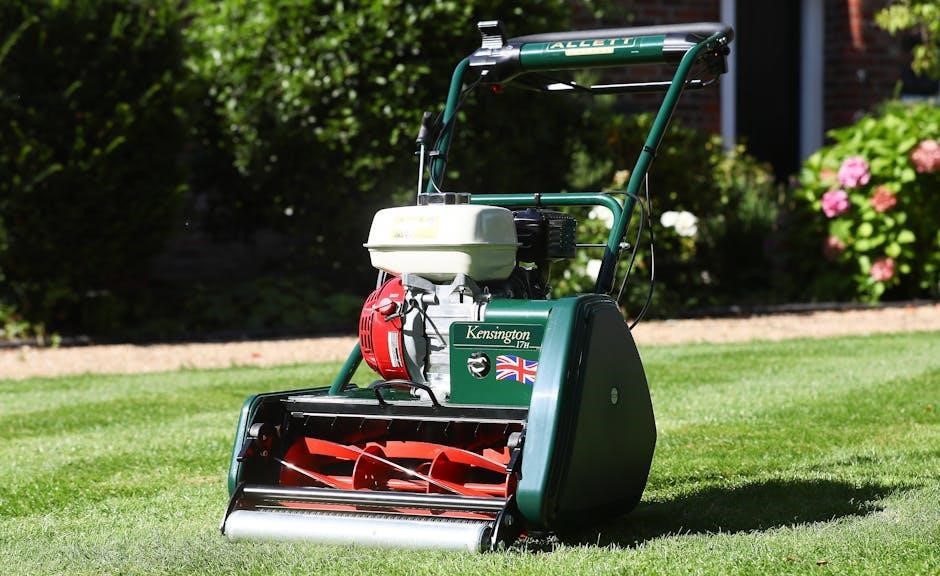
Understanding the engine’s specifications is crucial for selecting the appropriate oil type and maintaining optimal performance. Higher horsepower generally translates to better performance on thicker or taller grass. Refer to your specific model’s documentation for precise engine details‚ as variations exist within the 917 series. Proper engine maintenance‚ including regular oil changes‚ ensures longevity and efficient operation.
Deck Size & Cutting Width
Craftsman 917 lawn mowers generally feature deck sizes ranging from 22 inches to 30 inches‚ influencing the area covered with each pass. The cutting width directly correlates with deck size; a 22-inch deck offers greater maneuverability in tighter spaces‚ while a 30-inch deck expedites mowing larger lawns.
The specific deck size for your 917 model (identified by the full model number‚ e.g.‚ 917.xxxxxx) is a key factor in determining its suitability for your lawn’s dimensions. Larger decks reduce mowing time but may be less practical for navigating obstacles. Understanding your mower’s cutting width allows for efficient mowing patterns and a professionally maintained lawn. Always consult your owner’s manual for precise deck size specifications.
Weight & Dimensions
The Craftsman 917 series lawn mowers exhibit varying weights and dimensions depending on the specific model and features. Generally‚ these mowers weigh between 60 to 80 pounds‚ making them relatively easy to maneuver for most users. Overall dimensions typically range from 35 to 45 inches in length‚ 20 to 25 inches in width‚ and 30 to 40 inches in height.
These dimensions are crucial for storage considerations and navigating through gates or narrow passages. The weight impacts handling‚ especially on slopes. Referencing your specific 917 model’s owner’s manual provides precise weight and dimensional data for accurate planning and safe operation. Knowing these specifications aids in proper storage and transportation.
Leave a Reply
You must be logged in to post a comment.