manual food grinder
Manual food grinders, historically vital kitchen tools, offer a cost-effective way to process meats, vegetables, and more, showcasing a rich culinary history.
What is a Manual Food Grinder?
A manual food grinder is a kitchen appliance designed for mechanically chopping food into smaller pieces, traditionally meat, though versatile enough for vegetables and seeds. Unlike electric models, it relies on human power via a hand crank to operate its grinding mechanism.
These grinders come in various materials, like durable cast iron or hygienic stainless steel, and feature interchangeable cutting blades and plates to control texture. Historically, they were essential for home cooks and butchers, offering a way to prepare ingredients without electricity, and remain popular for small-batch processing.
Historical Overview of Food Grinding
The history of food grinding stretches back to ancient civilizations, utilizing stone and metal tools to crush and mince meat and other ingredients. For centuries, this process was entirely manual, requiring significant physical effort. The 19th century saw the emergence of early meat mincers used by butchers for over 200 years.
Later, manual crank grinders became commonplace in households, offering independence from butchers. Though electric grinders arrived, the hand grinder persisted, valued for its control and simplicity, remaining a nostalgic kitchen staple and experiencing a modern resurgence.
Types of Manual Food Grinders
Manual food grinders come in diverse types, including traditional cast iron, durable stainless steel, and innovative modern designs, catering to varied culinary needs.
Traditional Cast Iron Grinders
Traditional cast iron grinders represent a cornerstone of kitchen history, embodying durability and a robust grinding capability. These vintage appliances, often passed down through generations, were staples for butchers and home cooks alike. Constructed from solid cast iron, they offer substantial weight and stability during operation, ensuring efficient meat processing.
Their construction allows for consistent grinding, producing textures ideal for sausages or hash. While requiring more physical effort, cast iron grinders are celebrated for their longevity and ability to handle tougher cuts of meat. They remain popular for those seeking an authentic culinary experience.
Stainless Steel Manual Grinders
Stainless steel manual grinders offer a modern alternative to traditional cast iron, prioritizing hygiene and ease of maintenance. These grinders resist rust and corrosion, simplifying cleaning procedures and ensuring food safety. While generally lighter than their cast iron counterparts, they still provide reliable grinding performance for various culinary applications.
They are well-suited for smaller batches and offer a sleek aesthetic. Stainless steel models often feature improved designs for smoother operation and enhanced clamping mechanisms, making them a practical choice for contemporary kitchens.
Modern Manual Grinder Designs
Modern manual grinder designs focus on user experience and efficiency, incorporating ergonomic handles and improved clamping systems for stability. Innovations include streamlined mechanisms for smoother operation and easier disassembly for cleaning. Some designs feature interchangeable grinding plates, offering versatility for different textures – from coarse grinds for sausages to fine textures for pâtés.
These grinders often utilize durable, food-grade materials, blending functionality with contemporary aesthetics, appealing to both seasoned cooks and those embracing a more hands-on approach to food preparation.

Components of a Manual Food Grinder
Manual food grinders consist of a grinding mechanism, cutting blades, plates, a secure handle, and a clamping system—all working together to efficiently process food.
The Grinding Mechanism
The heart of a manual food grinder lies within its grinding mechanism, a carefully engineered system designed to transform solid food into a desired consistency. This typically involves a rotating screw, driven by the handle, that forces food through a die plate. The die plate features precisely sized holes, dictating the fineness of the ground product. As the food is pushed forward, it encounters a cutting blade, which further breaks down the food particles. Different plate sizes allow for varied textures, from coarse grinds ideal for sausages to finer textures perfect for burgers or pâtés.
Cutting Blades and Plates
Manual food grinders utilize interchangeable cutting blades and plates to achieve diverse textures. Blades, positioned before the die plate, initially chop the food as it’s forced forward by the auger. Die plates, featuring varying hole sizes, determine the final grind’s coarseness. Smaller holes yield finer grinds, suitable for emulsified sausages or smooth pâtés, while larger holes create coarser textures for burgers or chili. Switching these components allows for versatile food processing, adapting the grinder to different culinary applications and desired results.
Handle and Clamping System
The handle of a manual food grinder translates rotational force into grinding power, requiring user exertion. A robust clamping system is crucial for stability, securely attaching the grinder to countertops or tables. This prevents movement during operation, ensuring efficient and safe food processing. Effective clamping minimizes vibration and maximizes grinding force. Older models often feature screw-based clamps, while newer designs may incorporate suction cups or lever mechanisms for enhanced grip and ease of use, providing a secure workstation.

Uses and Applications
Manual food grinders excel at preparing meats for sausages and burgers, pureeing vegetables, crafting baby food, and processing nuts and seeds efficiently.
Grinding Meat for Sausages
Manual food grinders are exceptionally well-suited for crafting homemade sausages, providing precise control over meat texture and fat content – crucial for optimal flavor. The process involves chilling the meat thoroughly before feeding it into the grinder, ensuring a clean cut and preventing smearing. Selecting the appropriate grinding plate size dictates the final sausage consistency; coarser plates yield a rustic texture, while finer plates create a smoother emulsion.
This hands-on approach allows for blending different cuts of meat and incorporating seasonings directly during grinding, resulting in uniquely flavored sausages tailored to individual preferences. Properly chilled meat feeds through the grinder more easily, reducing strain and ensuring consistent results.
Making Ground Meat for Burgers
Manual food grinders empower home cooks to create superior burger patties, controlling the meat-to-fat ratio for personalized flavor and juiciness. Choosing cuts like chuck, sirloin, or brisket, and grinding them yourself, surpasses pre-ground options in freshness and quality. A medium grinding plate strikes a balance between texture and binding, essential for a firm yet tender patty.
The ability to add seasonings directly during grinding infuses the meat with flavor throughout, elevating the burger experience. Chilling the meat beforehand is vital for clean grinding and preventing a mushy texture.
Vegetable Pureeing and Processing
Manual food grinders extend beyond meat, expertly handling vegetable pureeing and processing tasks. From creating smooth tomato sauces and salsas to finely chopping vegetables for soups and stews, these grinders offer versatility. Utilizing different plate sizes allows for varied textures, catering to specific recipe needs.
Root vegetables like carrots and beets benefit from the grinder’s power, while softer vegetables require careful handling. This method preserves more nutrients compared to electric processing, enhancing flavor.
Creating Baby Food
Manual food grinders present a fantastic solution for crafting homemade baby food, offering complete control over ingredients and texture. Parents can easily puree cooked vegetables, fruits, and meats to the ideal consistency for each stage of development.
Avoiding additives and preservatives is simple with this method, ensuring a nutritious meal. The grinder’s gentle action preserves vital nutrients, promoting healthy growth, and offering peace of mind.
Grinding Nuts and Seeds
Manual food grinders excel at processing nuts and seeds, unlocking their rich flavors and nutritional benefits for various culinary applications. Achieving desired consistencies, from coarse crumbles to fine powders, is easily attainable by adjusting the grinding plate.
This method is ideal for creating nut butters, seed meals, or adding texture to baked goods, offering a fresh alternative to pre-ground options and maximizing flavor.

How to Use a Manual Food Grinder
Using a manual grinder involves preparing food, assembling the device securely, and then utilizing consistent cranking to achieve the desired texture.
Preparing the Meat or Food
Before utilizing a manual food grinder, proper preparation is crucial for optimal results and to prevent damage to the device. Begin by chilling the meat thoroughly; partially freezing it can significantly aid the grinding process, preventing smearing. Remove any bones, sinew, or excess fat.
For vegetables, wash and chop them into appropriately sized pieces that will easily fit into the grinder’s feed tube. Consider pre-cooking harder vegetables for smoother pureeing. Ensure all food items are free from foreign objects and cut to a manageable size for efficient processing through the grinder’s mechanism.
Assembling the Grinder
Correct assembly is paramount for safe and effective operation of your manual food grinder. Begin by securely attaching the grinder to a stable surface using the clamping mechanism, ensuring it won’t shift during use. Next, insert the cutting blade, ensuring the sharp edge faces outwards.
Follow this by adding the perforated plate, selecting the appropriate hole size for your desired texture. Finally, attach the grinding screw and tighten all components firmly, but not excessively, to allow for smooth rotation during the grinding process.
The Grinding Process
With the grinder assembled, begin feeding the prepared food – meat, vegetables, or nuts – into the feed tube using gentle, consistent pressure. Rotate the handle steadily, maintaining a moderate pace for optimal results. Avoid forcing the food, as this can strain the mechanism or cause blockages.
As the food passes through the blades and plate, it will be extruded from the front of the grinder. Collect the ground product in a clean bowl, repeating the process until all the food is processed.

Maintenance and Cleaning
Regular disassembly and thorough cleaning are crucial for a manual food grinder, ensuring longevity and preventing bacterial growth after each use.
Disassembly for Cleaning
Before cleaning your manual food grinder, complete disassembly is essential. Begin by loosening the screw securing the grinder to your work surface. Carefully remove the handle, then the grinding worm, followed by the cutting blade and plate. These components often nest together, so gentle persuasion may be needed. Separate all parts, including the hopper and base, placing them in a warm, soapy water bath. Inspect each piece for any remaining food particles, paying close attention to the blade’s edges and the plate’s holes. Proper disassembly facilitates a more effective and hygienic cleaning process, extending the grinder’s lifespan.
Cleaning Procedures
After disassembly, thoroughly wash each manual food grinder component in warm, soapy water. A brush can help remove stubborn food residue from the cutting blades and grinding plate holes. Rinse all parts meticulously, ensuring no soap remains. For cast iron grinders, dry immediately to prevent rust; a light oil coating is beneficial. Stainless steel parts can air dry. Avoid abrasive cleaners, which can damage surfaces. Inspect for any lingering debris before reassembly. Regular, thorough cleaning maintains hygiene and ensures optimal performance, prolonging the grinder’s usability.
Proper Storage
To ensure longevity, store your manual food grinder in a dry, cool place. For cast iron models, a light coating of food-grade mineral oil prevents rust and maintains the metal’s integrity. Disassemble the grinder after each cleaning and store components separately to avoid damage. Consider wrapping parts in cloth or paper towels for added protection. Avoid storing in humid environments. Proper storage prevents corrosion, maintains functionality, and ensures your grinder is ready for its next culinary task, preserving its value over time.
Advantages of Manual Food Grinders
Manual grinders are remarkably cost-effective, portable, and grant users precise control over food texture, offering a traditional and versatile kitchen experience.
Cost-Effectiveness
Manual food grinders represent a significantly lower initial investment compared to their electric counterparts. This makes them an accessible option for budget-conscious cooks or those starting to explore food processing at home. Beyond the purchase price, they eliminate electricity costs associated with operation, contributing to long-term savings.
Furthermore, their durable construction, particularly models crafted from cast iron, often translates to a longer lifespan, reducing the need for frequent replacements. This inherent affordability and longevity position manual grinders as a financially sensible choice for various culinary needs.
Portability and Space Saving
Manual food grinders excel in portability due to their self-contained, electricity-free operation. This feature makes them ideal for camping, RV trips, or situations where access to power is limited. Their compact design also contributes to significant space savings in the kitchen.
Unlike bulky electric models, manual grinders require minimal counter or storage space, fitting easily into drawers or cabinets. This is particularly beneficial for smaller kitchens or those prioritizing a clutter-free environment, offering convenience without sacrificing valuable space.
Control Over Texture
Manual food grinders provide unparalleled control over the final texture of your ingredients. By selecting different grinding plates with varying hole sizes, users can achieve everything from coarsely ground meat for sausages to finely minced mixtures for delicate pâtés.
This level of customization is often difficult to replicate with electric grinders. The manual process allows for a more tactile experience, enabling cooks to precisely tailor the texture to their specific recipe requirements, ensuring optimal results every time.
Disadvantages of Manual Food Grinders
Manual grinders demand significant physical effort, process food slower, and have limited capacity compared to electric models, requiring more time and stamina.
Physical Effort Required
Manual food grinders necessitate substantial physical exertion, a primary drawback for many users. Unlike their electric counterparts, these grinders rely entirely on human power to operate the grinding mechanism. This involves consistent cranking, which can become tiring during extended use, especially when processing tougher cuts of meat or larger quantities of food.
Individuals with limited strength or mobility may find this particularly challenging. The effort required directly correlates to the density and volume of the food being ground, demanding considerable stamina and upper body strength for efficient operation.
Slower Processing Speed
A significant disadvantage of manual food grinders is their considerably slower processing speed compared to electric models. The hand-cranked operation inherently limits the volume of food that can be processed within a given timeframe. Preparing larger batches, such as significant quantities of sausage meat or burger patties, becomes a time-consuming endeavor.
This slower pace makes them less suitable for users needing to quickly prepare meals or process substantial amounts of ingredients, demanding patience and extended preparation times.
Limited Capacity
Manual food grinders typically possess a limited capacity, meaning they are best suited for small-batch processing. The size of the feed tube and the grinding chamber restrict the amount of food that can be efficiently handled at once. Attempting to force large quantities through the grinder can lead to clogging and increased effort.
This makes them ideal for individual or small family portions, but less practical for large-scale meal prepping or catering needs, requiring multiple grinding sessions.

Choosing the Right Manual Food Grinder
Selecting a manual grinder involves considering material – cast iron or stainless steel – alongside desired size, capacity, and how easily it’s used and cleaned.
Material Considerations (Cast Iron vs. Stainless Steel)
Cast iron manual grinders represent a traditional choice, known for their weight and stability during operation, offering durability and a vintage aesthetic. However, they are susceptible to rust if not properly maintained, requiring regular seasoning and careful cleaning.
Stainless steel manual grinders, conversely, provide excellent resistance to corrosion and are generally easier to clean, making them a more hygienic option. While often lighter than cast iron models, some may sacrifice a degree of stability. The choice depends on prioritizing longevity, ease of maintenance, or hygienic considerations.
Size and Capacity
Manual food grinder size directly impacts processing capacity and suitability for different tasks. Smaller grinders, ideal for individual or small-batch needs (under 1 lb), are more portable and easier to store, perfect for limited kitchen space.
Larger models offer increased capacity, enabling efficient processing of greater quantities of meat or vegetables, beneficial for larger families or preserving harvests. Consider the typical volume of food you’ll be grinding when selecting a size, balancing convenience with processing demands.
Ease of Use and Cleaning
A user-friendly manual food grinder features a secure clamping system for stable operation on countertops. Disassembly should be straightforward for thorough cleaning, crucial for hygiene and preventing bacterial growth.
Look for models with fewer intricate parts, simplifying both operation and maintenance. Stainless steel components generally offer easier cleaning compared to cast iron, resisting staining and corrosion. Prioritize grinders designed for quick disassembly and efficient cleaning procedures.
Troubleshooting Common Issues
Manual grinders can experience sticking food or difficult turning; ensure proper assembly, lubrication, and appropriate food preparation to resolve these common problems.
Grinder Not Turning Smoothly
A manual food grinder refusing to turn easily often indicates a blockage or lack of lubrication. First, disassemble and thoroughly clean all components, removing any lingering food particles. Inspect the cutting blades and plates for damage or dullness, replacing them if necessary.
Ensure proper reassembly, aligning parts correctly. A small amount of food-grade oil applied to the grinding mechanism can significantly improve smoothness. If the issue persists, check the clamping system; a loose grip can create resistance. Finally, avoid forcing the handle, as this could cause further damage.
Food Getting Stuck
When food consistently jams within a manual food grinder, several factors could be at play. Often, it’s due to using cuts of meat or vegetables that are too large or contain tough connective tissues. Pre-cutting ingredients into smaller pieces is crucial.
Ensure the grinding plates are appropriately sized for the food type. A dull blade also contributes to this issue; sharpening or replacing it is recommended. Regularly cleaning the grinder during use prevents buildup and maintains smooth operation, avoiding frustrating blockages.
Difficulty Clamping to Surface
A common frustration with manual food grinders is instability due to inadequate clamping. Ensure the countertop or table edge isn’t excessively thick, exceeding the grinder’s clamp capacity. Verify the clamping screw is tightened firmly, but avoid over-tightening, which could damage the mechanism.
A non-slip mat placed under the grinder’s base can significantly improve grip. If the surface is particularly smooth, consider a damp cloth underneath for added friction, ensuring safe and efficient operation.
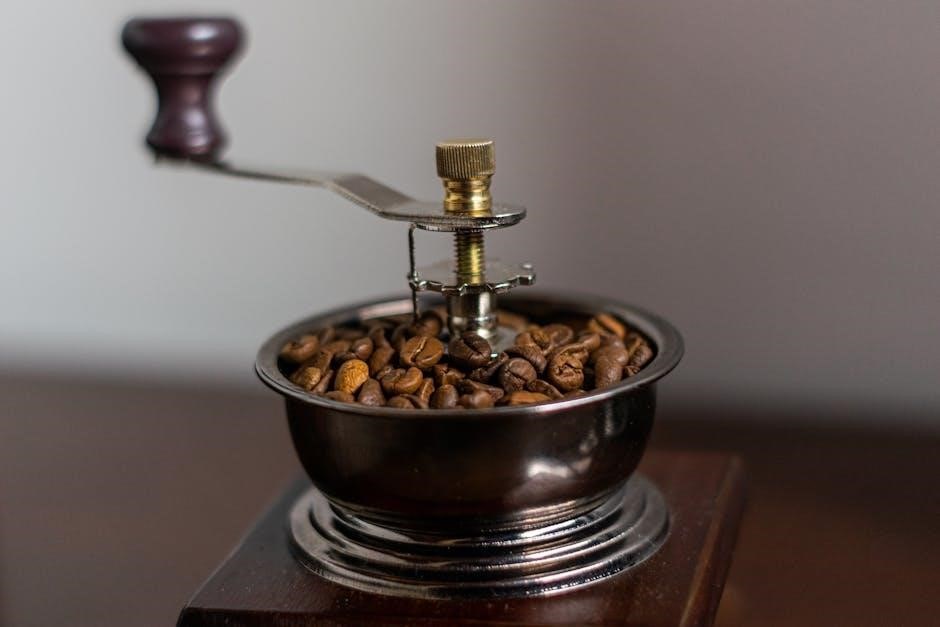
The Future of Manual Food Grinders
Manual food grinders are experiencing a revival, driven by interest in sustainable living and innovative designs blending tradition with modern functionality.
Resurgence in Popularity
Manual food grinders are witnessing a notable comeback, fueled by a growing desire for self-sufficiency in the kitchen and a rejection of overly processed foods. Consumers are increasingly valuing the control these grinders offer over ingredient quality and texture, something often lost with electric alternatives.
This trend aligns with broader movements towards homesteading, sustainable living, and a renewed appreciation for traditional cooking methods. The nostalgic appeal of these vintage tools, often found at estate sales and swap meets, also contributes to their rising popularity, connecting users to culinary history.
Innovations in Design
While rooted in tradition, manual food grinder designs are evolving to enhance usability and efficiency. Modern iterations incorporate improved ergonomics for easier handling and reduced physical strain during operation. Manufacturers are exploring new materials, beyond traditional cast iron and stainless steel, to optimize durability and hygiene.
Furthermore, advancements focus on clamping mechanisms for greater stability and interchangeable grinding plates offering varied textures; Some designs feature modular components for simplified disassembly and cleaning, addressing common user concerns.
Leave a Reply
You must be logged in to post a comment.